
What Is Multipurpose Grease Used For?
What Is Multipurpose Grease Used For?
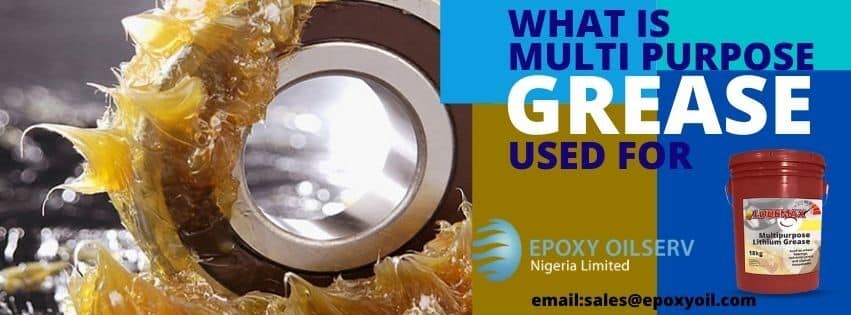
Multipurpose grease is used to lubricate common bearings, pins, bushes, joints and general machinery where speed, temperature, load and water exposure fall within the grease specification. It simplifies inventory, but it should not replace a specialist grease where the equipment manual requires one.
Common multipurpose grease applications
- Electric motor and general machinery bearings within the stated speed and temperature range
- Pins, bushes, hinges, couplings and chassis points
- Agricultural, construction and workshop equipment
- Selected wheel bearings where the equipment specification permits
- Routine plant maintenance that does not require food grade, high temperature or extreme water resistance
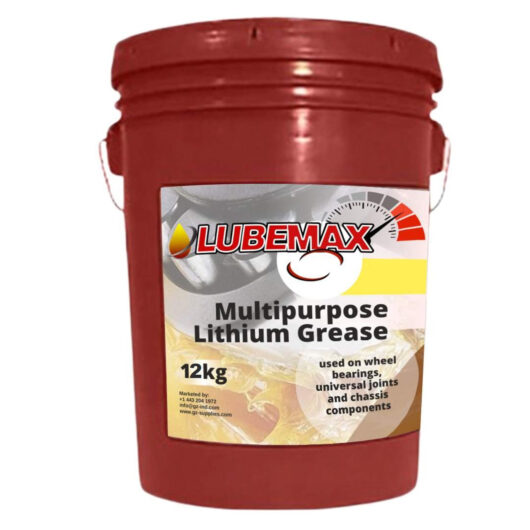
How grease works
Grease combines a lubricating oil with a thickener and performance additives. The thickener holds oil in place and releases it into the contact zone during operation. Additives can improve oxidation stability, corrosion protection, load carrying, water resistance and wear control. The term multipurpose describes a broad application range, not unlimited compatibility.
The original technical references are retained for readers who want background on grease, quasi solid materials, lubricants, soap thickeners, emulsions, mineral oil and vegetable oil.
When multipurpose grease is not enough
| Condition | Possible specialist requirement | Why |
|---|---|---|
| High bearing speed | Lower base oil viscosity or specified consistency | Reduces churning and heat |
| High temperature | Thermally stable thickener and base oil | Controls oxidation and softening |
| Heavy shock load | EP or solid lubricant additives | Improves load carrying protection |
| Water wash or immersion | Water resistant grease | Reduces washout and corrosion |
| Food production | Approved food grade grease | Supports hygiene and compliance controls |
How to select a multipurpose grease
- Start with the equipment manufacturer’s grease specification.
- Confirm thickener type, NLGI consistency and base oil viscosity.
- State bearing type, speed, load and operating temperature.
- Describe water, dust, chemicals and washdown exposure.
- Check compatibility before changing from the grease already in service.
- Set the correct quantity and relubrication interval to avoid overgreasing.
See the different types of grease for thickener and application comparisons, then use the guide to grease for bearings and chains for those specific components. Commercial enquiries should route through the industrial lubricants supplier page.
Original product and supplier links retained
The original article referenced the grease page, Epoxy Oilserv homepage, Aegean Alfa Grease RG, agricultural machinery, LubeMax lubricants, Total, Shell consumer lubricants, Caltex Multifak EP 3, Caltex products, Sinopec and lubricants and chemicals. These links remain available.
Frequently asked questions
Can multipurpose grease be used in every bearing?
No. Bearing speed, load, temperature, sealing and manufacturer requirements determine the correct grease.
Can two greases be mixed?
Not without a compatibility check. Different thickeners and oils can produce softening, hardening or loss of performance.
Is NLGI 2 always the correct grade?
NLGI 2 is common, but application method, temperature, speed and component design may require another consistency.
Request a grease quotation
Send the equipment, speed, load, temperature, current grease, quantity and delivery location.

Great post! I had no idea multi-purpose grease could be used for so many applications. It’s really helpful to know that it can work for both automotive and household needs. I’ll definitely keep this in mind for my next DIY project!
Great post! I never realized how versatile multi-purpose grease can be. It’s interesting to learn about its various applications, from automotive to household uses. I’ll definitely keep this in mind for my next maintenance project!