
Epoxy Flooring Services and Systems in Nigeria
Epoxy Oilserv supplies epoxy flooring materials and provides installation support for factories, warehouses, workshops, food-processing areas, healthcare environments, laboratories, showrooms and commercial buildings across Nigeria. Every project begins with the intended use of the floor—not simply its colour or gloss.
Substrate condition, moisture, traffic, chemicals, hygiene, slip resistance and the available shutdown window all affect system selection. A site assessment helps define the preparation, compatible materials and installation sequence before a quotation is issued.
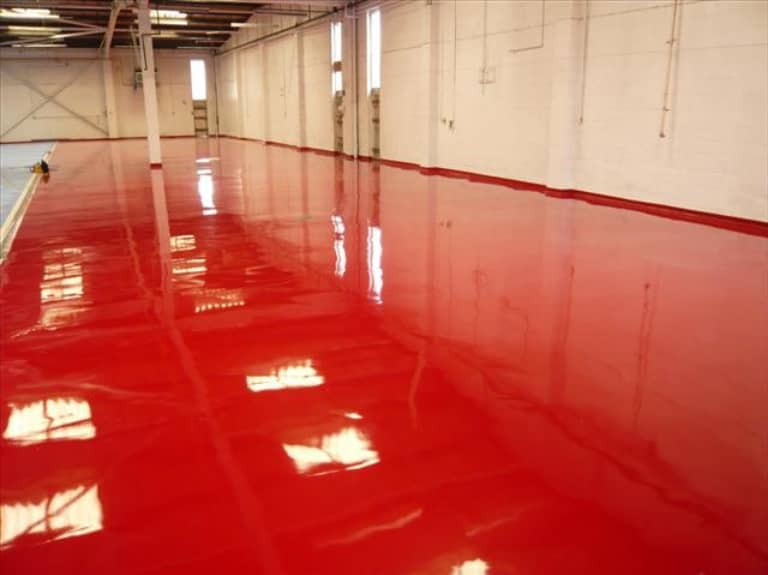
Choose the Right Epoxy Flooring System
The correct industrial epoxy flooring system should match the concrete, expected traffic, chemical and moisture exposure, hygiene requirements and allowable downtime. The options below are starting points for specification; final materials and build-up should be confirmed after project review.
| Flooring system | Best suited to | Selection considerations |
|---|---|---|
| Self-levelling epoxy | Smooth concrete in production, laboratories, healthcare and commercial interiors with light-to-heavy pedestrian or wheeled traffic. | Requires a stable, well-prepared substrate. Confirm moisture condition, required thickness, hygiene details and cure window. |
| Epoxy mortar system | Damaged concrete, ramps, loading areas, workshops and high-impact industrial zones. | Useful where repair, build-up and mechanical strength are priorities. Downtime depends on repairs, thickness and selected resin system. |
| Anti-slip epoxy flooring | Wet processing areas, workshops, ramps, wash bays and circulation routes. | Aggregate size and texture must balance slip resistance with cleanability. Drainage and cleaning methods remain important. |
| Chemical-resistant flooring | Process plants, laboratories, bunds and areas exposed to oils, solvents, acids, alkalis or cleaning chemicals. | Provide the chemical name, concentration, temperature, contact time and cleaning regime. Resistance is system-specific. |
| Food-grade and hygienic flooring | Food and beverage production, kitchens and controlled clean areas. | Review washdown, temperature, drainage, coving, joints and the customer’s documented hygiene requirements. Do not assume every epoxy is suitable. |
| Anti-static or ESD flooring | Electronics, laboratories and other areas where static-control performance is specified. | Requires an agreed performance standard, earthing design, substrate assessment and testing plan. It is not interchangeable with ordinary epoxy flooring. |
| Decorative and commercial epoxy | Showrooms, offices, retail and reception areas with moderate traffic. | Colour, finish, UV exposure, cleaning and repairability influence selection. Decorative appearance should not replace technical assessment. |
| Heavy-duty industrial flooring | Factories, warehouses, loading areas and workshops exposed to forklift traffic, impact or abrasion. | Confirm loads, wheel type, turning zones, joints, impact, contamination and shutdown. A thicker system alone does not correct a weak substrate. |
Epoxy Flooring by Industry
Manufacturing plants
Factory floors may need abrasion resistance, chemical protection, safety markings, non-slip finishes and repairs around machinery. The survey should record process chemicals, operating temperatures, traffic routes, drainage and maintenance access.
Warehouses and logistics facilities
Forklift routes, pallet loads, joints, turning areas and dust control shape the system. Line marking and local repair planning can be included where operational zoning is required.
Food and beverage facilities
These areas often prioritise seamless cleanability, slip control, drainage, coving and resistance to repeated washing. The system must be selected against the facility’s actual hygiene specification and cleaning regime.
Pharmaceutical and healthcare environments
Controlled environments may require cleanable surfaces, colour zoning, carefully detailed edges and documented acceptance criteria. Epoxy Oilserv reviews the customer’s facility specification before recommending a system.
Oil and gas facilities
Workshops, stores, laboratories and process-support areas can face oils, fuels, chemicals, abrasion and strict access controls. Exposure data, HSE requirements and shutdown coordination should be supplied at quotation stage.
Workshops and automotive service centres
Tyre traffic, oil contamination, impact and local repairs are common concerns. Existing contamination must be investigated because coating over oil-affected concrete can lead to adhesion failure.
Commercial buildings and offices
Appearance, foot traffic, cleaning, UV exposure and access hours guide commercial system selection. Decorative floors still require proper concrete preparation and a realistic return-to-service programme.
Our Epoxy Flooring Installation Process
- Site inspection: review the facility, floor area, use, access, traffic, chemicals and shutdown window.
- Moisture and substrate testing: assess concrete condition, contamination, cracks, joints, moisture risk and any existing coating.
- Surface preparation: use the specified mechanical method, such as grinding or shot blasting, to create a clean and suitable profile.
- Crack and defect repairs: repair agreed defects and treat joints according to their condition and expected movement.
- Primer application: apply a compatible primer under the required environmental and product conditions.
- System installation: install the selected body coat, mortar, self-levelling layer, aggregate or finish to the agreed build-up.
- Curing: protect the area and observe the product-specific schedule before foot traffic, equipment or chemical exposure.
- Final inspection and handover: review the completed work and communicate maintenance and return-to-service requirements.
For a more detailed overview, see the epoxy flooring installation process.

Surface Preparation and Moisture Control
Weak, dusty, oily or moisture-affected concrete can cause coating failure. Preparation and repair must be matched to the floor and selected system. Moisture condition, dew point and ventilation should be assessed where relevant. Existing coatings must also be checked for adhesion and compatibility before overcoating.
What Determines Epoxy Flooring Cost?
There is no responsible universal price per square metre. A quotation for epoxy flooring in Nigeria depends on the following project facts:
- Total floor area and project location
- Existing substrate condition, contamination, cracks and repairs
- Required surface-preparation method
- System type and specified thickness
- Chemical, moisture, impact and traffic exposure
- Finish, slip aggregate, coving, colour zoning and line marking
- Site access, mobilisation and HSE requirements
- Required completion date, shutdown period and curing window
For wider product-market context, review the epoxy paint price guide for Nigeria. A project quotation still requires site-specific information.
Project Evidence
Real project photographs help buyers understand preparation, finish and facility context. Additional approved evidence can be added to the blocks below without changing this page’s URL.
Factory or warehouse project image
Manual image upload required: add an approved photograph, then record the facility type, flooring system and Nigerian location when known.
Commercial or hygienic floor image
Manual image upload required: add an approved photograph with a factual caption and descriptive alternative text.
Surface preparation image
Manual image upload required: show genuine preparation or repair work and identify the project context when known.
See more industrial project capabilities and evidence.
Materials Supply and Complete Installation
Epoxy Oilserv can review materials-only requirements and complete installation projects. Materials buyers should confirm compatible primer, resin, hardener, aggregate and finish quantities as a complete system. Installation enquiries should include preparation, repairs, labour, access and handover requirements. Buyers can also review epoxy resins and hardeners and guidance on where to find epoxy flooring supplies in Nigeria.
Frequently Asked Questions
What type of epoxy flooring is best for factories?
The answer depends on traffic, impact, chemicals, heat, cleaning, slip requirements and concrete condition. Heavy-duty mortar, self-levelling or textured systems may be considered after assessment; no single system suits every factory.
Can epoxy flooring be installed over concrete?
Yes, when the concrete is sound and properly prepared. Moisture, contamination, laitance, cracks, joints and existing coatings must be assessed before installation.
How long does industrial epoxy flooring last?
Service life varies with system build-up, substrate, traffic, chemicals, installation quality and maintenance. See the guide to how long epoxy floor paint lasts for practical ranges and influencing factors.
How long does installation take?
Timing depends on area, repairs, preparation, number of coats, product cure requirements, temperature and access. The quotation should state the installation and return-to-service programme for the selected system.
Is epoxy flooring resistant to chemicals?
Some systems resist specified chemicals, but performance depends on the chemical, concentration, temperature, contact time and cleaning. Supply exposure data so the recommended product can be checked.
Can epoxy floors be made non-slip?
Yes. Aggregate and texture can be incorporated, but the required slip profile must be balanced with cleanability, drainage and the contaminants expected in the area.
How much does epoxy flooring cost in Nigeria?
Cost varies with floor area, condition, preparation, repairs, system thickness, exposure, location and required completion date. Provide these details for a current quotation rather than relying on a generic rate.
How should an epoxy floor be maintained?
Remove abrasive dirt, clean spills promptly, use compatible cleaning products and inspect high-traffic areas, joints and damaged spots. Maintenance instructions should reflect the installed system and facility conditions.
Request an Epoxy Flooring Quote
Include your name or company, email, telephone number, project location, approximate floor area, existing substrate, operating conditions, preferred system if known and required completion date. Attach project photographs if the form provides an upload field.