
What Chemicals Remove Dirt and Grime?
What Chemicals Remove Dirt and Grime?
Detergents remove routine dirt, alkaline degreasers break down oils and fats, solvent cleaners dissolve selected hydrocarbon residues, and acid cleaners attack mineral scale and rust. The safest choice depends on what the grime contains and what surface lies beneath it.
Match the chemical to the soil
| Deposit | Useful chemical family | Common application | Check before use |
|---|---|---|---|
| Loose dirt and light oily film | Detergent or mild alkaline cleaner | Floors, walls and washable equipment | Dilution, foam and rinsing |
| Heavy oil and grease | Alkaline or solvent degreaser | Engines, machinery and parts | Coatings, seals and ventilation |
| Carbonised oil and adhesive residue | Specialist solvent cleaner | Components and maintenance parts | Flash point and disposal |
| Rust and mineral scale | Inhibited acid cleaner or descaler | Pipes, tanks and heat transfer surfaces | Metallurgy and contact time |
Detergents for routine dirt
Detergents use surfactants to loosen particles, wet the surface and keep removed soil suspended in the wash solution. They work well for dust, mud, fingerprints, food soils and light oil films. Performance depends on concentration, water hardness, temperature and mechanical action. A multipurpose detergent is often the first option for routine cleaning, but it may not be strong enough for baked grease or mineral scale.
Degreasers for oil and heavy grime
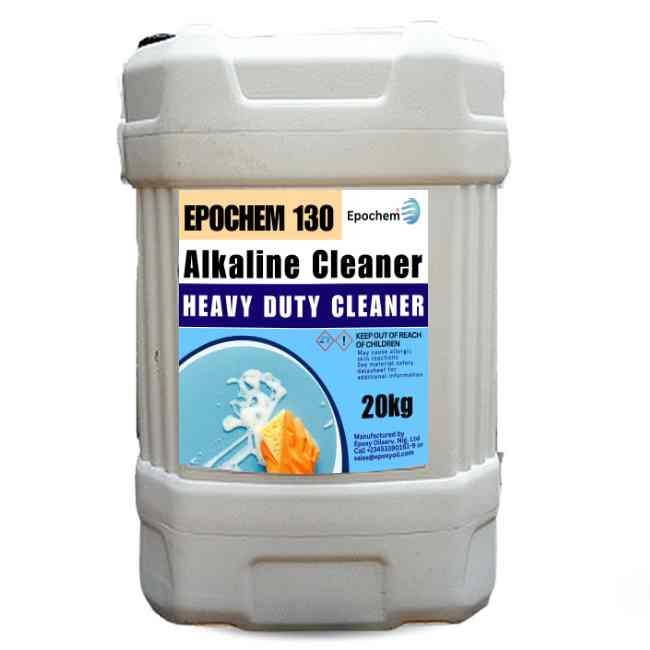
Alkaline degreasers break down fatty and oily soils and can be diluted for many compatible hard surfaces. Solvent degreasers may be considered when the deposit contains carbonised oil, wax, tar or adhesive residue. Product choice should consider the substrate, application method, rinse requirement, ventilation and ignition sources.
The original article links are preserved for reference, including the Epochem chemicals page, the Epochem 502 heavy duty degreaser announcement and the external Epochem 530 Standard Solvent Degreaser listing. Buyers should still request current availability and pack information before ordering.
Acid cleaners for rust and scale
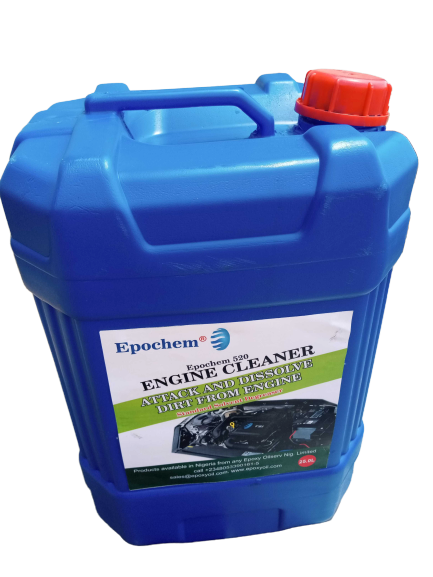
Rust, lime and process scale are inorganic deposits, so a detergent designed for oil may have little effect. Inhibited acid cleaners and descalers can dissolve selected mineral deposits, but they require tighter control. Identify the metal or masonry, confirm inhibitor suitability, set the dwell time and prepare a controlled rinse and neutralisation procedure.
A practical selection sequence
- Describe the dirt or grime, including oil, grease, carbon, rust, scale, paint or mixed contamination.
- State the material and finish being cleaned.
- Confirm whether cleaning is manual, immersion, spray, pressure wash or circulation.
- Identify ventilation, ignition, drainage and waste disposal constraints.
- Test the selected product on a controlled area and follow its safety data.
Use our guide to the four types of cleaning agents for a broader classification. For solvent based decisions, review solvents in industrial cleaning. For routine detergent comparison, see Teepol versus other cleaning detergents.
Frequently asked questions
What removes greasy dirt from machinery?
A compatible alkaline or solvent degreaser is commonly used. Confirm the surface, grease type, application method and ventilation before selection.
Can bleach remove industrial grime?
Bleach is mainly an oxidising disinfectant and stain treatment. It is not a universal answer for oils, grease, mineral scale or carbonised residues.
Should different cleaners be mixed?
No. Mixing chemicals can create dangerous reactions or fumes. Use products only as directed and never combine them without a validated procedure.
For direct support, the original Contact us link is preserved.
Request a cleaning chemical quotation
Send the soil, surface, method, quantity and delivery location for a current product recommendation and quotation.