
Steel Structure Fabrication in Oil & Gas Facilities in Nigeria
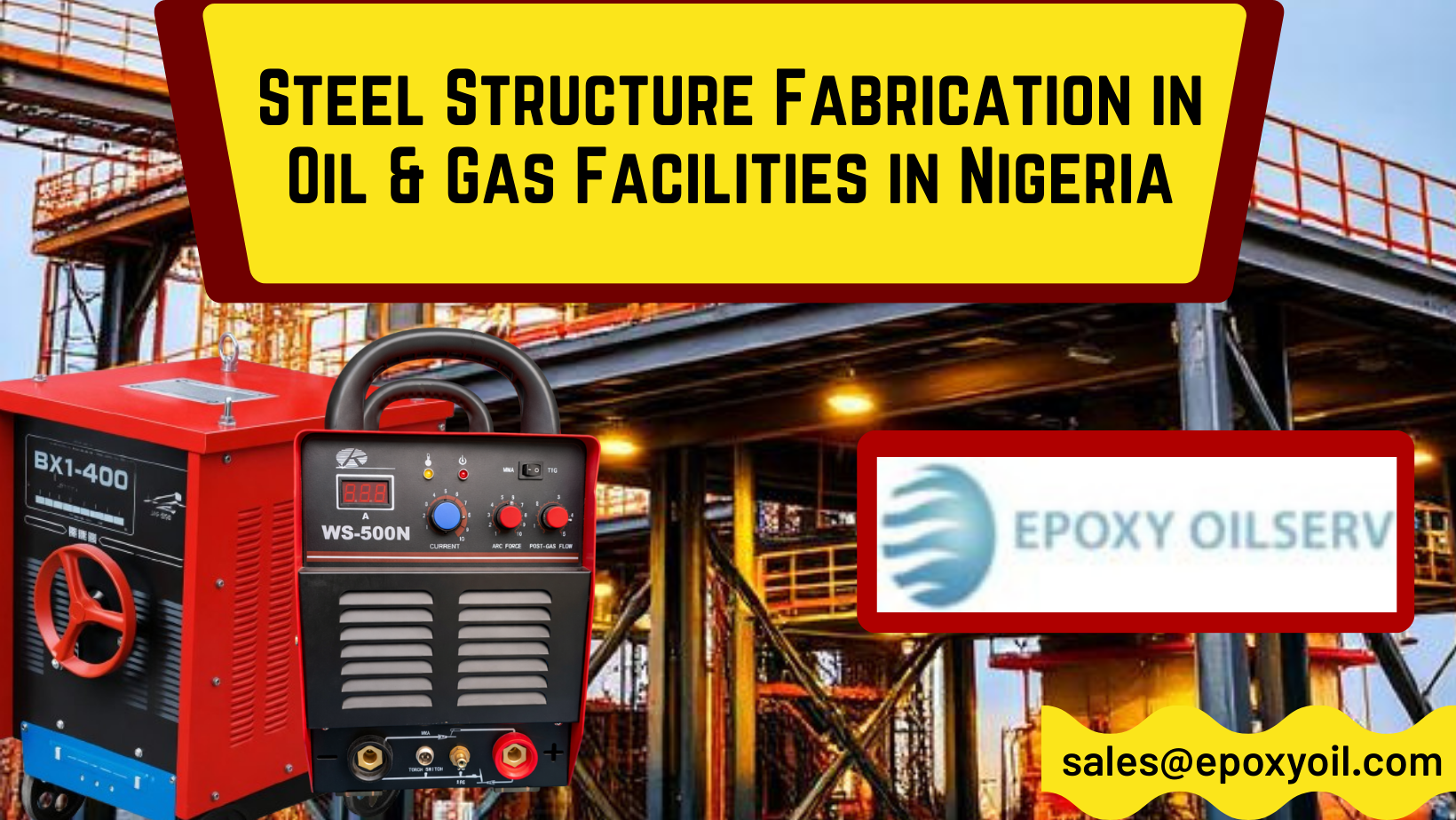
Nigeria’s oil and gas industry operates in one of the most technically demanding industrial environments in Africa. From offshore platforms in the Niger Delta to onshore processing plants and storage terminals, steel structure fabrication plays a critical role in ensuring safety, operational continuity, and long-term durability.
Fabrication quality directly impacts structural integrity, corrosion resistance, and regulatory compliance. In high-risk environments such as refineries, gas plants, offshore platforms, and FPSO units, every weld joint must withstand extreme stress, vibration, pressure, and corrosive exposure.
This is why selecting the right welding equipment is not just important, it is essential.

The Importance of Steel Fabrication in Oil & Gas Operations
Steel structures in oil and gas facilities are used for:
- Pipe racks
- Offshore platform decks
- Structural beams and supports
- Pressure vessel supports
- Tank farms
- Maintenance walkways
- Crane bases
- Equipment skids
Each of these components must meet strict engineering standards. Poor welding quality can lead to:
- Structural failure
- Leakages
- Production downtime
- Environmental hazards
- Regulatory penalties
- Safety risks
Professional fabrication processes therefore require high-performance welding systems capable of delivering deep penetration, arc stability, and consistent output.

Structural Reinforcement Requirements in Oil & Gas Projects
Steel structures in oil and gas facilities face:
- High dynamic loads
- Constant vibration
- Harsh marine corrosion
- Thermal stress
- Heavy equipment weight
- Pressure fluctuations
To ensure long-term stability, reinforcement welding must achieve:
- Strong root penetration
- Uniform weld bead formation
- Low porosity
- Controlled heat input
- Reduced weld defects
This is where reliable arc and inverter welding machines become critical to fabrication success.
Welding Technologies Used in Oil & Gas Steel Fabrication
Two primary welding technologies dominate oil and gas structural work:
Arc Welding (Transformer-Based Systems)
Arc welding remains widely used for:
- Structural beams
- Thick steel sections
- Heavy-duty reinforcement
- On-site construction projects
These machines are known for:
- Rugged durability
- Strong arc force
- Deep penetration capability
- Reliability under harsh conditions
Professional contractors often depend on high-output industrial arc welding machines to handle heavy structural sections in fabrication yards and offshore sites.
Inverter Welding Technology
Modern oil & gas fabrication increasingly adopts inverter welders due to:
- Higher energy efficiency
- Better arc stability
- Improved portability
- Reduced power consumption
- Precise current control
For heavy reinforcement applications, heavy duty inverter welders provide the stability and output required for large structural joints while maintaining efficiency in demanding site conditions.
Essential Welding Machines for Structural Reinforcement
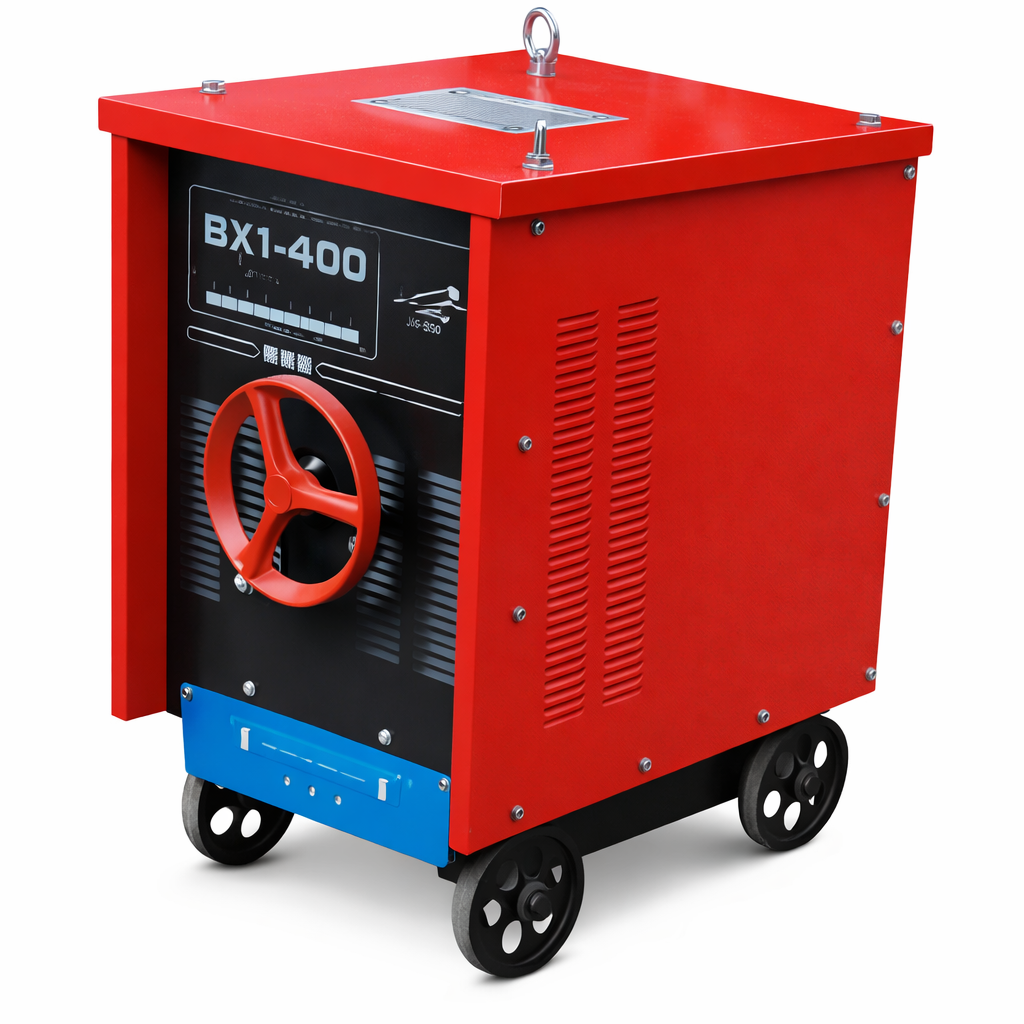
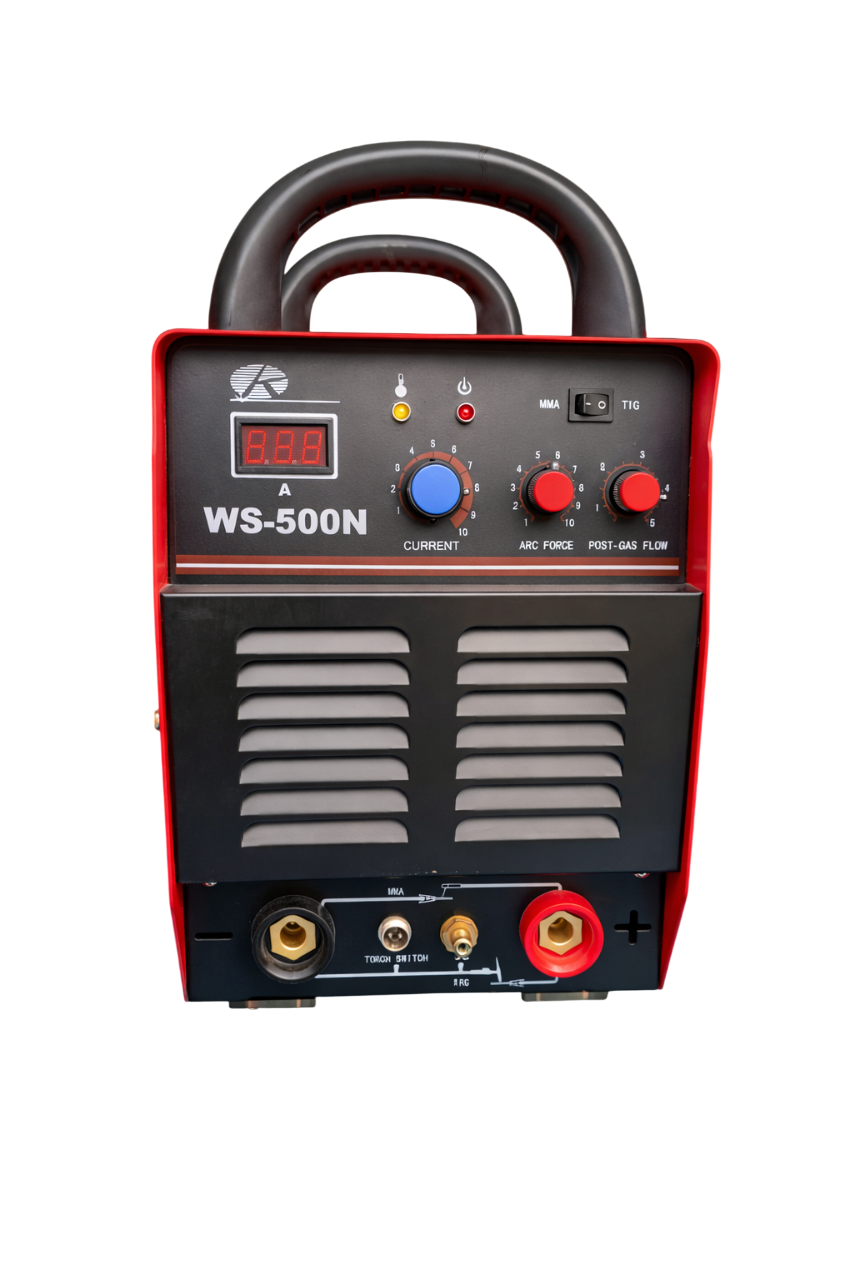
Reliable arc and inverter welding machines such as the KAIERDA BX1-400-1 and KAIERDA WS-500N are essential for structural reinforcement in oil and gas projects.
KAIERDA BX1-400-1 (400A Transformer Welder)
Ideal for:
- Heavy structural steel welding
- Thick steel beams
- Offshore reinforcement
- Construction of support frames
Key advantages:
- High amperage output
- Strong arc penetration
- Durable industrial build
- Suitable for rugged job site environments
This model is particularly effective for large-scale fabrication projects requiring sustained output under heavy workloads.
KAIERDA WS-500N (500A Inverter Welder)
Best suited for:
- Structural welding in oil facilities
- Pipe reinforcement
- Field fabrication
- Maintenance and repair operations
Advantages include:
- Superior arc stability
- High power efficiency
- Reduced energy loss
- Better performance under generator supply
The WS-500N provides a powerful yet controlled welding solution ideal for demanding oil and gas environments.
Challenges of Welding in Oil & Gas Facilities
Welding operations in oil and gas facilities present unique challenges:
1. Power Instability
Many fabrication sites rely on generators. Equipment must tolerate fluctuations without compromising weld quality.
2. Environmental Conditions
High humidity, salt exposure, and dust can affect machine performance and weld integrity.
3. Safety Compliance
Welding must comply with international standards such as:
- ASME
- API
- AWS
Machines used must provide stable arc performance to meet inspection requirements.
Why Equipment Selection Matters for Long-Term Structural Integrity
In oil and gas facilities, weld failure can result in catastrophic consequences. Choosing high-quality welding machines reduces risks such as:
- Cracks in structural joints
- Weak weld penetration
- Excessive spatter
- Inconsistent bead formation
- Overheating of materials
Professional fabrication contractors understand that investing in durable, high-output welding equipment protects both safety and profitability.
Role of Professional Fabrication Support in Nigeria
Steel structure fabrication in Nigeria’s oil and gas industry requires:
- Skilled welders
- Certified welding procedures
- High-performance equipment
- Strict quality control
- Reliable supply chains
Epoxy Oilserv Nigeria Ltd supports oil and gas facilities with industrial maintenance, structural rehabilitation, corrosion protection, and project execution services that rely on dependable welding technologies.
By combining experienced personnel with robust welding systems, structural reinforcement projects can achieve long-term durability even in aggressive operating environments.
Conclusion
Steel structure fabrication remains a foundational element of Nigeria’s oil and gas infrastructure. From offshore platforms to processing plants, structural integrity depends heavily on welding precision and equipment reliability.
Reliable arc and inverter welding machines such as the KAIERDA BX1-400-1 and WS-500N play a critical role in ensuring structural reinforcement meets industry standards.
As Nigeria continues expanding its energy infrastructure, the demand for high-quality welding equipment and professional fabrication expertise will only increase.
For companies operating in oil and gas environments, selecting the right welding system is not simply an equipment decision, it is a safety and investment decision.
