
Epoxy Resins and Hardeners Supplier in Nigeria
Epoxy Resins and Hardeners Supplier in Nigeria
Epoxy Oilserv supplies epoxy resin and hardener systems for flooring, coatings, repairs, laminating and selected industrial applications in Nigeria. Correct performance depends on matching the resin, hardener, mix ratio, working time, cure conditions and substrate preparation to the job.
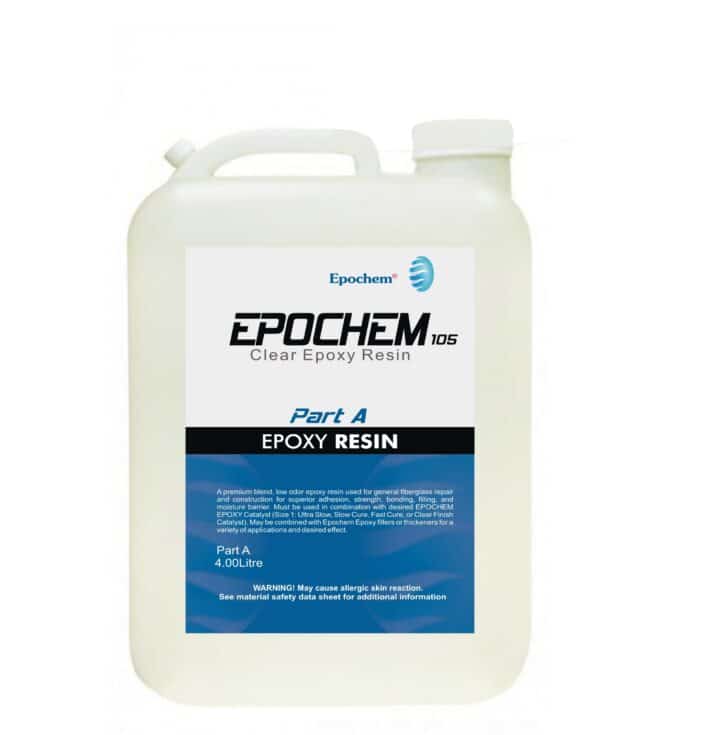
Choose an epoxy system by application
| Application | Important properties | Information required |
|---|---|---|
| Industrial flooring | Adhesion, wear, chemical resistance and cure schedule | Area, substrate, traffic and exposure |
| Protective coating | Film build, compatibility and environmental resistance | Steel or concrete condition and service environment |
| Repair and bonding | Viscosity, gap filling, strength and working time | Materials, dimensions and load |
| Laminating and composites | Wetting, viscosity, pot life and cure | Reinforcement, process and part thickness |
| Casting and encapsulation | Flow, exotherm, shrinkage and electrical properties | Pour depth, volume and operating conditions |
Resin, hardener and the curing reaction
An epoxy system normally combines a resin component with a compatible hardener or curing agent. Mixing starts a chemical reaction that creates a cross linked thermoset structure. The specified ratio is part of the formulation, so adding extra hardener does not simply make the material cure faster. Incorrect proportioning or incomplete mixing can cause soft spots, poor strength, amine blush, incomplete cure or early failure.
The original article’s technical sources remain linked for further reading on resin, polymerisation, cross linking, epoxide chemistry and the hydroxyl group.
Information that determines the correct resin and hardener
- Application, dimensions and required cured thickness
- Concrete, steel, timber, composite or other substrate
- Temperature and humidity during application and service
- Working time, return to service and final cure requirement
- Chemical, water, UV, abrasion and impact exposure
- Desired colour, finish, viscosity and application method
- Quantity, packaging and delivery location

Surface preparation and mixing control
Even a suitable resin can fail on a contaminated or weak substrate. Remove oil, dust, laitance, rust and loose material, then achieve the profile and moisture condition required by the system. Measure components accurately, mix with clean equipment, scrape the sides and bottom of the container, and observe pot life. Larger mixed volumes can generate more heat and shorten working time.
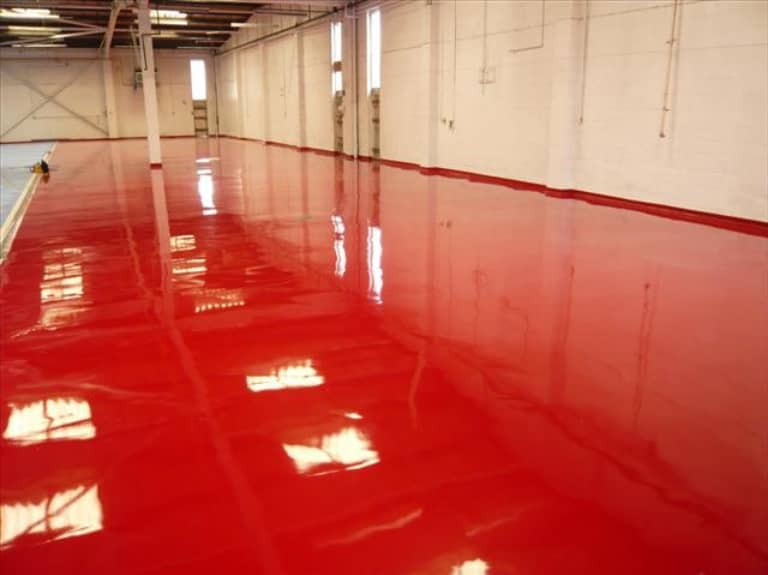
For complete floor systems, visit epoxy flooring services and materials. For protective product selection, use epoxy paints and floor coatings. Buyers who need current cost guidance should use the 2026 epoxy paint price and quotation guide.
Technical data sheets retained
The existing downloads remain available: Epochem 105 Resin technical data sheet and Epochem 205 Epoxy Catalyst technical data sheet. Confirm that the revision supplied with your quotation is the current document for the exact product.
For technical assistance or product enquiries, contact Epoxy Oilserv or use the working quotation form below.
Frequently asked questions
Can any hardener be used with any epoxy resin?
No. Use the compatible hardener and ratio specified for the resin system. Substitution can prevent proper cure or change performance.
Why does epoxy remain sticky?
Common causes include incorrect ratio, poor mixing, low temperature, moisture, contamination or using incompatible components.
Do you supply for projects outside Lagos?
Enquiries can be assessed for delivery across Nigeria. Availability and lead time depend on the product, quantity and destination.
Request an epoxy resin and hardener quotation
Send the application, substrate, service exposure, quantity and delivery location.